

Contents
- Is ringing in the ears the same as tinnitus?
- Why does tinnitus happen?
- When should I see a doctor about ringing in my ears?
- What causes ringing in the ears?
- What is pulsatile tinnitus?
- Why does the ringing come and go?
- Can ringing in the ears be cured?
- How is tinnitus managed?
- Do hearing aids help with ringing in the ears?
- Who should I see: a GP, an audiologist or an ENT?
- What happens at a tinnitus assessment?
- How can I protect my ears from tinnitus?
- Where can I get support if tinnitus affects my sleep or mood?
In short
Ringing in the ears is tinnitus, and up to 1 in 5 people have it at some point. Sudden hearing loss is an emergency, so go to an emergency department straight away. There is no cure, but ringing from a treatable cause can settle, and other treatments aim to make the sound bother you less.
- Tinnitus means hearing ringing, buzzing, hissing, clicking or whooshing when there is no sound around you.
- Up to 1 in 5 people have tinnitus at some point in their life.
- Sudden hearing loss is an emergency: go to an emergency department straight away.
- Hearing loss, loud noise, ear wax, ear infections, some medicines and stress can all set it off.
- There is no cure, but when the cause can be treated, the ringing can settle.
- Sound therapy, counselling and hearing aids aim to make the sound bother you less.
The basics
Is ringing in the ears the same as tinnitus?
Yes. Tinnitus means hearing a sound when nothing around you is making it. Ringing is the most familiar, but people also hear buzzing, humming, hissing, clicking, roaring or whooshing.
It can be faint or loud, in one or both ears, or inside your head. It can come and go, or be there all the time.
It is common. Healthdirect says up to 1 in 5 people have tinnitus at some point in their life. It is more common in older people, but children can get it too.
How it works
Why does tinnitus happen?
Deep in your inner ear, tiny hair cells turn sound into signals for your brain. Loud noise damages these cells for good (Hearing Australia), and age wears them too, which changes the signal they send.
One leading theory is that the brain makes a sound of its own to fill the gap (NIDCD). The ringing is real, not imagined, even when no sound is coming in. Tinnitus usually comes with some hearing loss (Australian Tinnitus Association).
Warning signs
When should I see a doctor about ringing in my ears?
Straight away
Sudden hearing loss, in one ear or both, is an emergency. Go to a hospital emergency department straight away, because treatment is more likely to help when it starts early.
Call 000 or go to an emergency department straight away if the ringing comes with:
- sudden hearing loss
- vertigo, a spinning feeling
- weakness in the muscles of your face
- a head injury.
See your GP promptly if:
- the sound beats in time with your pulse, which is called pulsatile tinnitus
- the ringing is in one ear only, or your hearing is worse in one ear than the other
- you have ear pain, or discharge coming from the ear
- the ringing does not go away, or keeps getting worse.
Not sure where to go? Call the Healthdirect helpline on 1800 022 222, where a registered nurse answers 24 hours a day. The sudden hearing loss advice follows Healthdirect and the NIDCD, and the other emergency signs follow the NHS.
After the doctor
See the doctor first, then call us on (08) 9387 3335: we keep urgent appointment times open every day for sudden hearing loss.
Causes
What causes ringing in the ears?
Ringing in the ears has several possible causes, and you can have more than one. Sometimes no clear cause is found.
| Cause | How it often shows up | What to do |
|---|---|---|
| Hearing loss | Often builds slowly, with age or after years of noise. | Book a hearing test. |
| Loud noise | Ringing after a concert, a noisy shift or one very loud bang. | Have your hearing checked if the ringing does not settle, and wear ear protection from now on. |
| Ear wax | A full or blocked feeling in the ear, and muffled hearing. | Have a clinician look and remove the wax. Avoid cotton buds. |
| Ear infection | Ear pain, or discharge coming from the ear. | See your GP. |
| Medicines | Starts or gets louder after a new medicine, or at high doses. | Talk to the doctor who prescribed it, or your pharmacist (Healthdirect). Don't stop it yourself. |
| Jaw or neck problems | Clenching or grinding your teeth, or a jaw joint problem. | See your GP. |
| Head injury | Ringing that starts after a knock to the head, a fall or an accident. | Go to an emergency department or call 000. |
| Ménière's disease | Comes with spinning attacks (vertigo) and hearing that drops. | Call 000 or go to an emergency department if the ringing comes with spinning. After that, see your GP. |
| Blood flow problems | A whooshing or beating in time with your pulse. | See your GP promptly. |
| Stress or tiredness | Louder when you are stressed, tired or not sleeping. | Rest and relaxation can help. See your GP if it affects your mood. |
Healthdirect, Hearing Australia and the Australian Tinnitus Association list these causes, including ear wax, jaw joint problems and head or neck injury.
Medicines. Certain antibiotics, aspirin, ibuprofen, naproxen and some diuretics (water tablets) such as furosemide can cause ringing as a side effect, especially at high doses. Cisplatin, a chemotherapy medicine, is ototoxic (harmful to the ear): it can cause ringing and hearing loss, so doctors test hearing before and during treatment.
Less common causes. Ménière's disease is a swelling of a duct in the ear, and otosclerosis is abnormal bone growth in the middle ear (Better Health Channel). Rarely, the cause is an acoustic neuroma, a lump that is not cancer, on the nerve between the inner ear and the brain (NIDCD).
Pulsatile tinnitus
What is pulsatile tinnitus?
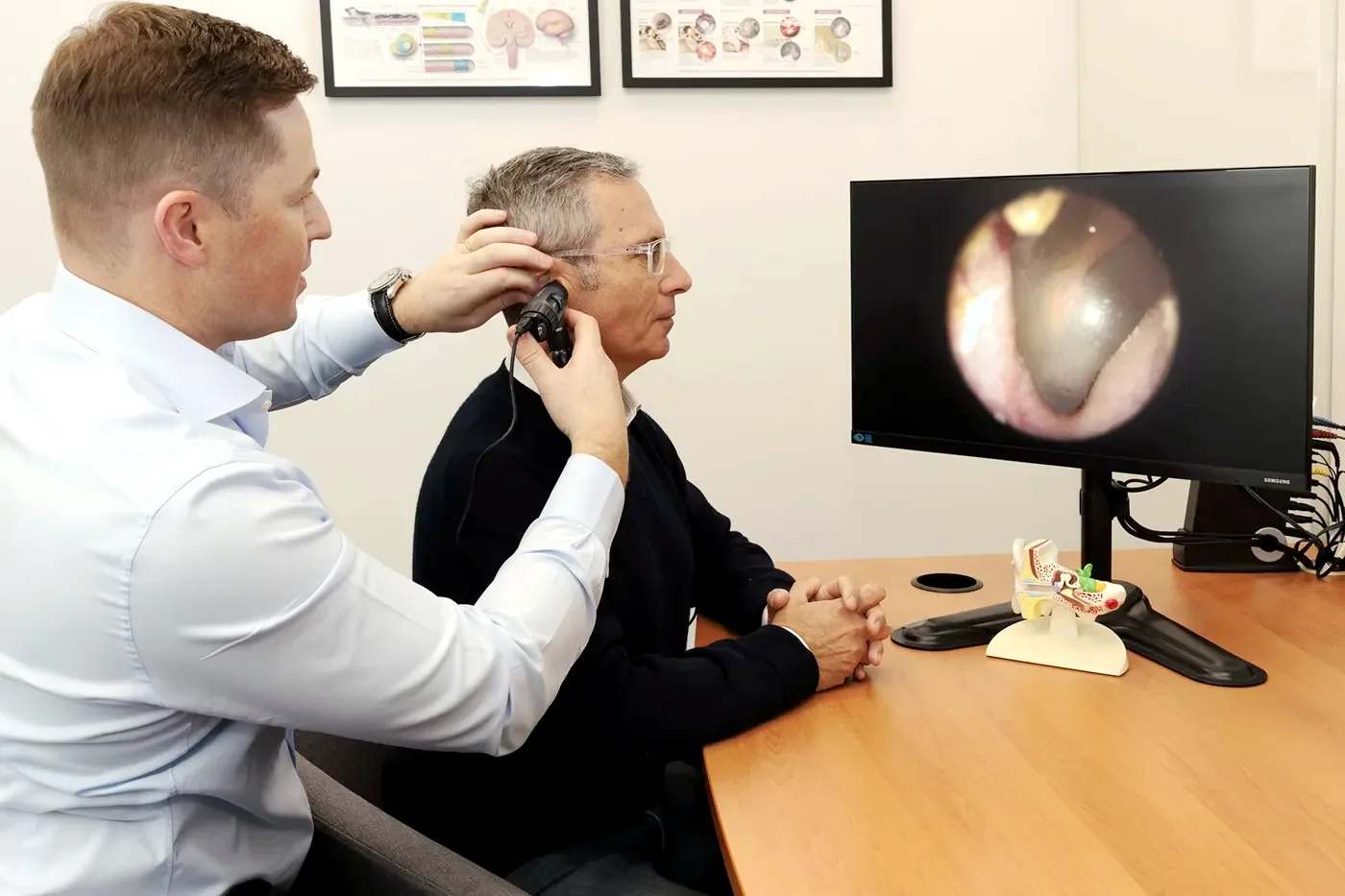
Pulsatile tinnitus is a beating or whooshing sound that keeps time with your heartbeat. Blood vessel problems in or near the ear, such as high blood pressure, can change blood flow and cause tinnitus (NIDCD). A blood vessel in your head or neck can also make a sound your doctor can hear when they examine you (Healthdirect).
Because the cause can be in a blood vessel, see your GP promptly rather than starting with a hearing clinic. The NHS advises an urgent GP appointment for it.
Patterns
Why does the ringing come and go?
After a concert or loud event. Ringing after a concert or even a gym class is often temporary (Hearing Australia). It means loud sound has overloaded your ears: hearing can take 16 to 48 hours to recover, and some damage may remain (Hearing Australia, NIDCD).
At night. A quiet bedroom can make the ringing seem louder and harder to tune out (Hearing Australia). A fan, soft music or other gentle sound can make it easier to ignore than silence.
When you move. Moving your head, neck or eyes can change the sound for a moment in some people, which is called somatosensory tinnitus (NIDCD). Mention it to your GP or audiologist.
Outlook
Can ringing in the ears be cured?
There is no known cure for tinnitus itself (Hearing Australia). When ringing has a treatable cause, such as wax, infection or a jaw problem, it can settle once treated (Australian Tinnitus Association, NIDCD).
When the ringing stays, the aim is to make it bother you less. Many people get used to the sound over time, so their brain stops paying it as much attention (Healthdirect).
Getting used to tinnitus can take months, and the sound may seem louder again on days when you are stressed or tired.
Worth knowing
Most products sold as tinnitus cures have no scientific basis (Better Health Channel). Ask your doctor before you try a vitamin, herbal product or anything else sold as a cure.
Management
How is tinnitus managed?
Which option suits you depends on the cause and how much the ringing bothers you. The main ones are:
- Sound therapy. Listening to gentle outside sound, such as soft music, so the ringing is less noticeable. Your doctor or audiologist can tell you more.
- Counselling or CBT. CBT (cognitive behavioural therapy) is a talking therapy that changes how you react to the sound, which can ease distress. Your GP can refer you to a psychologist.
- Hearing aids, where the ringing comes with a hearing loss.
- Looking after yourself. Relaxation, good sleep habits and keeping busy with things you enjoy may help you notice the ringing less.
Healthdirect and the Australian Tinnitus Association describe these options in more detail.
Hearing aids
Do hearing aids help with ringing in the ears?
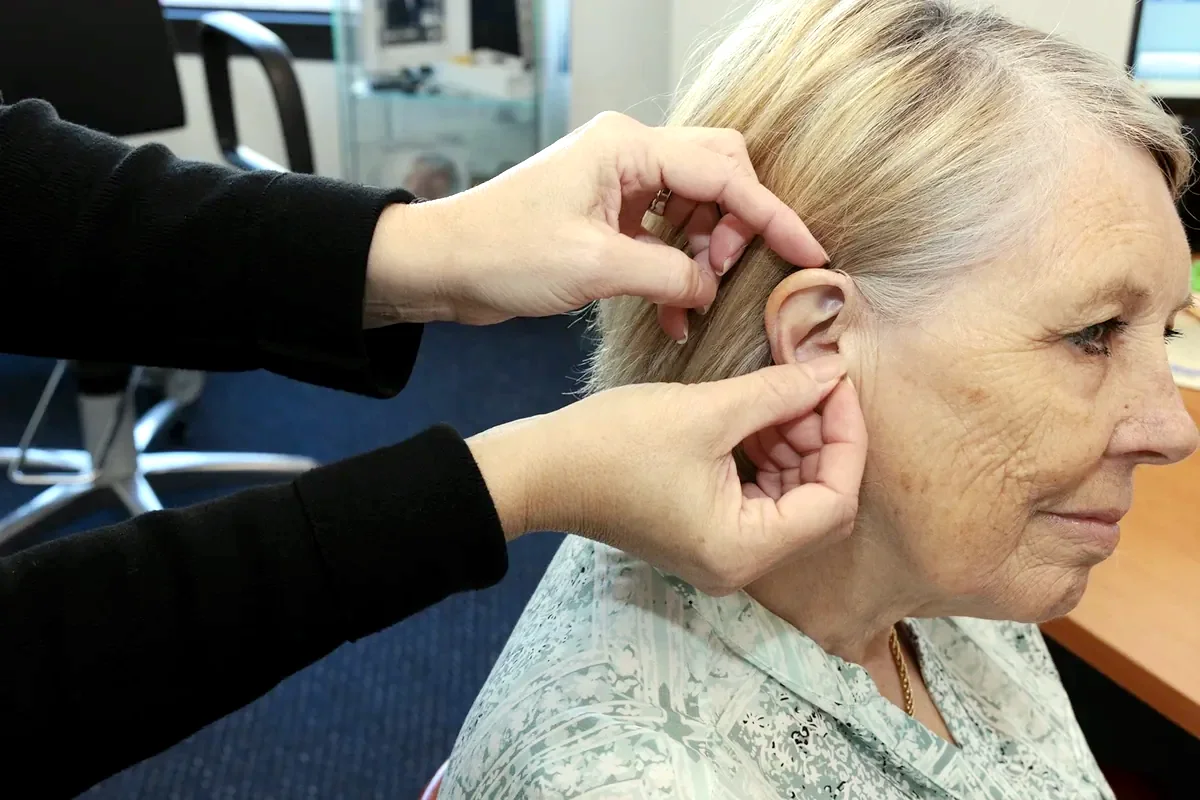
If you also have a hearing loss, hearing aids may help with the ringing, though not for everyone.
Healthdirect and the Australian Tinnitus Association say hearing aids help in two ways. They take some of the strain out of listening. They also bring in more everyday sound, which draws your attention away from the ringing.
A hearing test shows whether you have a hearing loss, and what kind. We talk about hearing aids once those results are in. If your hearing is normal, sound therapy or counselling may suit you better.
Who to see
Who should I see: a GP, an audiologist or an ENT?
Each does a different job. Start with your GP for any warning sign. If the ringing is your only concern, you can see your GP first or book a tinnitus assessment with us directly.
| Who | What they do | When to go |
|---|---|---|
| GP | Asks about your symptoms, looks in your ears, and can arrange scans or refer you on. | First, for any warning sign, a pulsing sound, ear pain or discharge. |
| Audiologist | Tests your hearing in full, assesses the tinnitus and helps you manage it, including with hearing aids. | For ringing on its own, or when your GP sends you for a hearing test. |
| ENT specialist | A doctor who treats ear, nose and throat conditions, including with surgery when needed. | When your GP or audiologist refers you for a medical cause. |
Healthdirect and the Australian Tinnitus Association describe the same route: your GP may send you to an audiologist for hearing tests, or to an ENT. If our assessment finds anything a doctor should look at, we refer you to your GP.
At the clinic
What happens at a tinnitus assessment?
At our Mount Hawthorn clinic, allow 1.5 to 2 hours for a tinnitus assessment, and a full hearing test is part of it.
- Questionnaires. You answer written questions about what you hear and what it does to your sleep, concentration and day-to-day life.
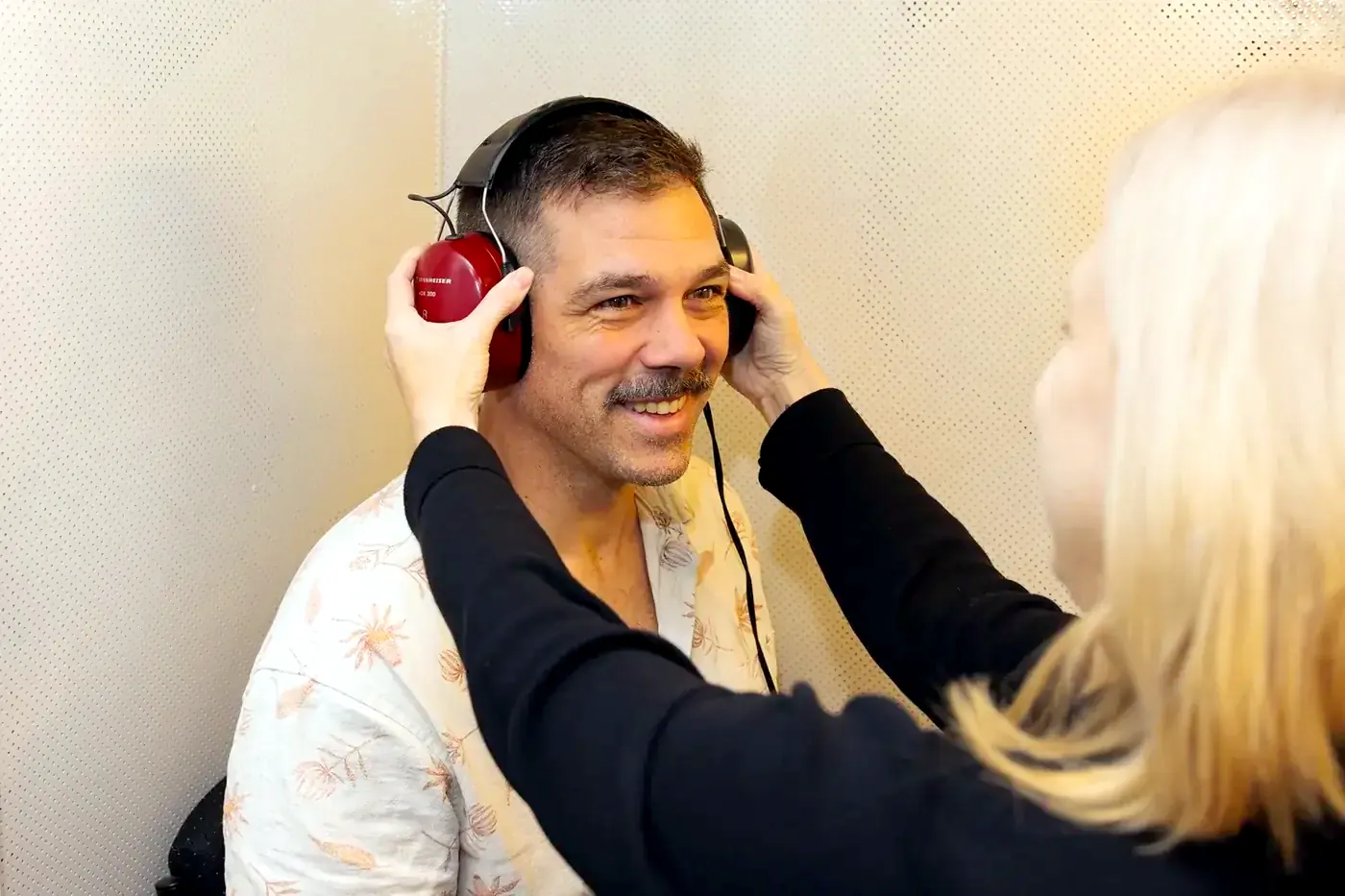
- A full hearing test. We test your hearing in full to find out whether a hearing loss is behind the ringing.
- What we found. The clinician tells you what type of tinnitus you have and its most likely cause.
- Your plan. Before you go, the clinician talks you through a plan for the ringing. Depending on the results, that might be learning more about the sound, using hearing aids or another listening device, or seeing your GP.
Read more about our tinnitus assessment in Perth, or book an appointment.
Prevention
How can I protect my ears from tinnitus?
You can lower your risk of tinnitus from noise. Better Health Channel recommends:
- wearing ear plugs around sound louder than 85 decibels (dB), such as a lawnmower, chainsaw or live music
- keeping headphone volume below 80 per cent, and listening for less than 90 minutes a day
- not standing near the speakers at concerts
- taking regular breaks away from noise to rest your ears.
At work, the noise exposure standard is 85 decibels averaged over 8 hours. If you have to talk loudly to someone about a metre away, the noise is probably above that (WorkSafe WA).
Tip
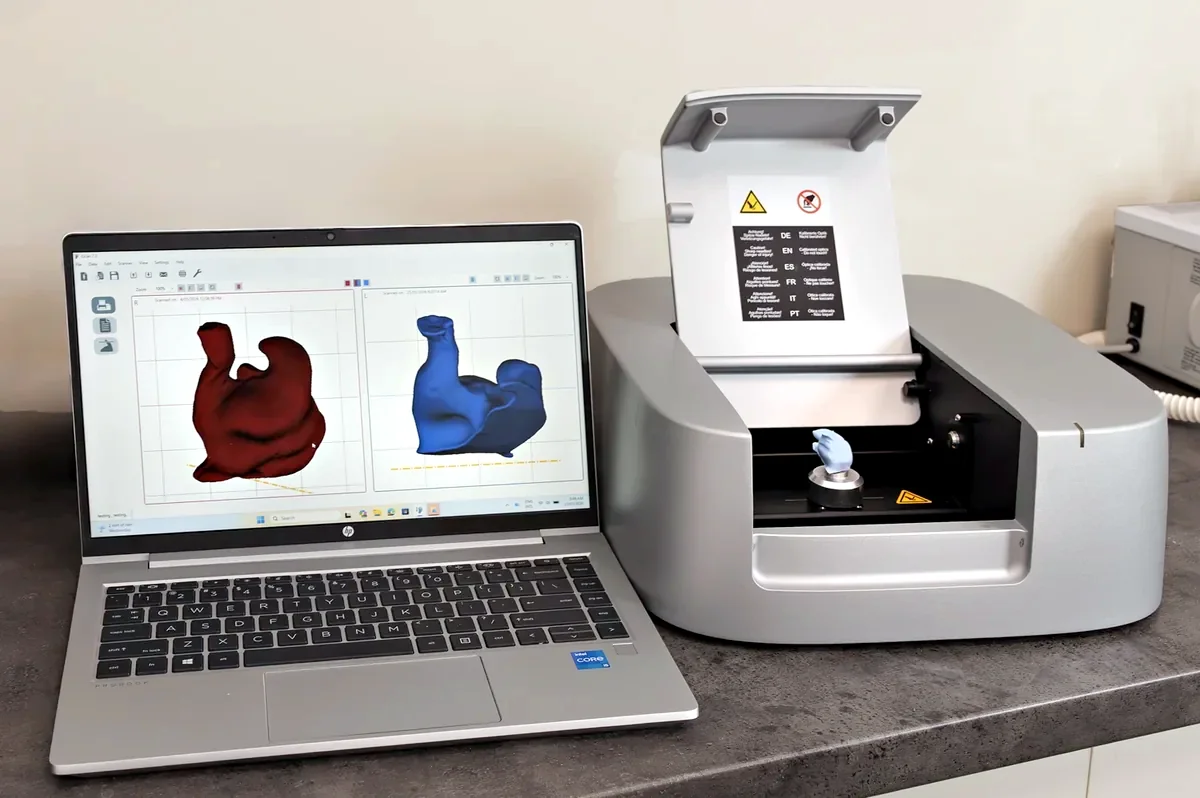
If loud noise is part of your work or hobbies, we can order custom ear plugs. We take a soft mould of each ear canal, called an impression, at the clinic, and the plugs usually arrive within 10 working days.
Support
Where can I get support if tinnitus affects my sleep or mood?
Tinnitus is linked with anxiety and depression (Healthdirect), and it can affect your sleep and concentration (NIDCD). If it is affecting your mood or sleep, see your GP, who can refer you for counselling or CBT.
- Lifeline: 13 11 14, 24 hours a day, if you are in distress.
- Beyond Blue: 1300 22 4636, for anxiety and depression.
- Healthdirect: 1800 022 222, to speak with a registered nurse.
General information, not a diagnosis. In an emergency, call 000.
Sources
Each source was read on 19 November 2026.
Australian sources
- Healthdirect: Tinnitus
- Healthdirect: Hearing loss
- Hearing Australia: Tinnitus, what it is and how to treat it
- Hearing Australia: How to sleep easier with tinnitus
- Hearing Australia: Preventing noise induced hearing loss
- Hearing Australia: How can I stop noise from damaging my hearing?
- Australian Tinnitus Association: What is tinnitus
- Better Health Channel: Tinnitus
- Better Health Channel: Ear wax
- WorkSafe WA: Noise