Assistive listening devices in Perth
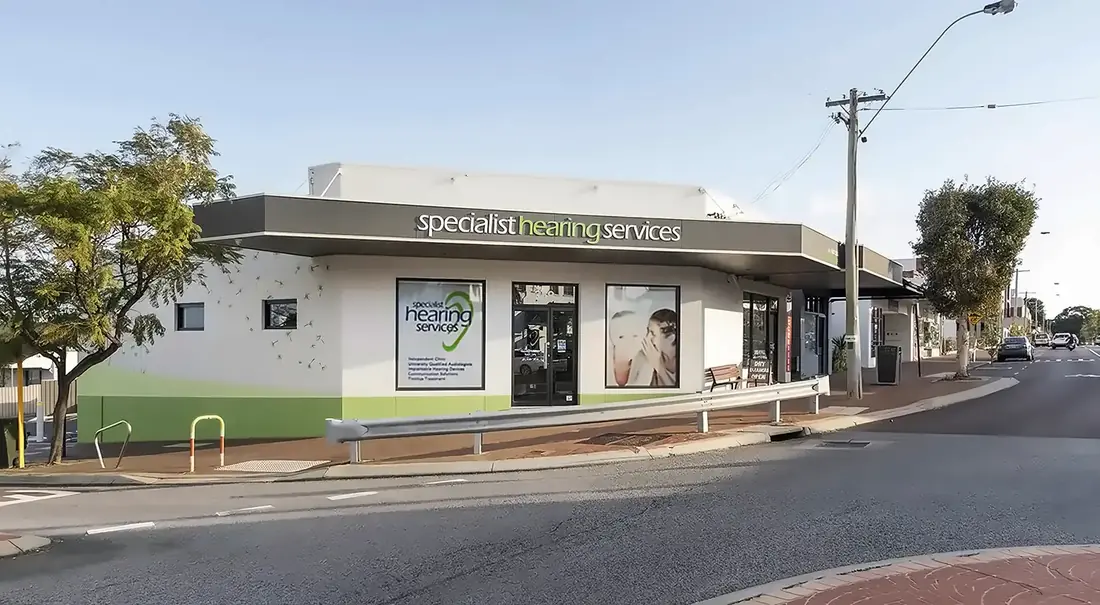
Specialist Hearing Services supplies assistive listening devices from its clinic in Mount Hawthorn, Perth. These devices bring one sound, such as the television, a phone call or a person's voice, more clearly to your ears.
For eligible pensioners and Department of Veterans' Affairs (DVA) clients, most of the cost is paid by the Hearing Services Program. We check whether you are eligible when you visit.
5.019 Google reviews
Clinically reviewed byDayle Hensman
What assistive listening devices do
An assistive listening device picks up one sound close to where it starts and sends it straight to you. That might be the TV, a phone call or the voice of the person you are talking to. Because the sound is captured at its source, distance, background noise and echo make less difference.
Some devices work on their own with headphones.
Others send the sound into your hearing aids or your cochlear implant sound processor, which is the part worn outside the head.
Types of assistive listening devices
Common types include TV streamers, remote microphones, amplified phones, personal amplifiers and hearing loops. Which type suits you depends on where listening is hardest for you and on the hearing device you wear, if any.
TV streamers
A TV streamer is a small box that plugs into your television and sends its sound wirelessly to your hearing aids or to headphones. You set the volume you hear, and the TV can stay at a normal volume for everyone else.
Remote microphones
A remote microphone, sometimes called a partner microphone, is clipped to the person speaking or placed on the table. It sends their voice to your hearing aids, which helps in a restaurant, a car or a meeting.
Amplified phones
An amplified phone has a louder handset and a control to make voices clearer.
Personal amplifiers
A personal amplifier is a handheld unit with a microphone and headphones. People who do not wear hearing aids often use one for a conversation with one person.
Hearing loops
A hearing loop is a wire laid around a room, or a smaller loop fitted at a service counter. It sends sound to hearing aids that have a telecoil, a small coil inside the aid that picks up the loop's signal.
To hear it, you switch the aid to its telecoil setting, often called the T setting. Places with a loop usually display a sign showing an ear.
Using assistive listening devices with hearing aids
Many assistive listening devices work with hearing aids. Hearing aid manufacturers make TV streamers and remote microphones that connect wirelessly to their own aids.
Other devices connect through Bluetooth or a telecoil. Some use a neckloop, a cord worn around the neck that passes sound to aids with a telecoil. Some cochlear implant sound processors connect to these devices as well.
Personal amplifiers and amplified phones work without hearing aids. When you book, tell us which hearing aids or sound processor you use, if any.
Fitting and support at the clinic
Senior Audiologist & Certified Lyric Provider
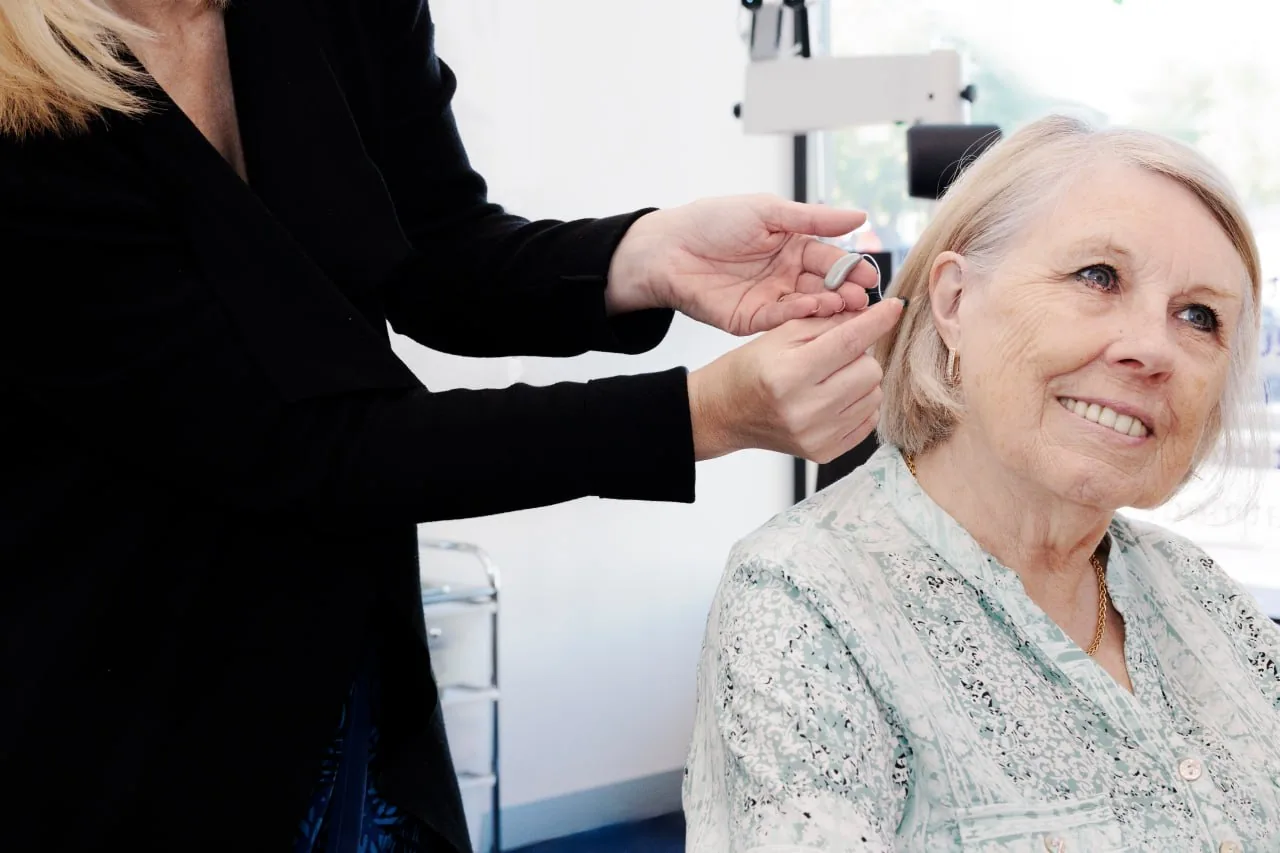
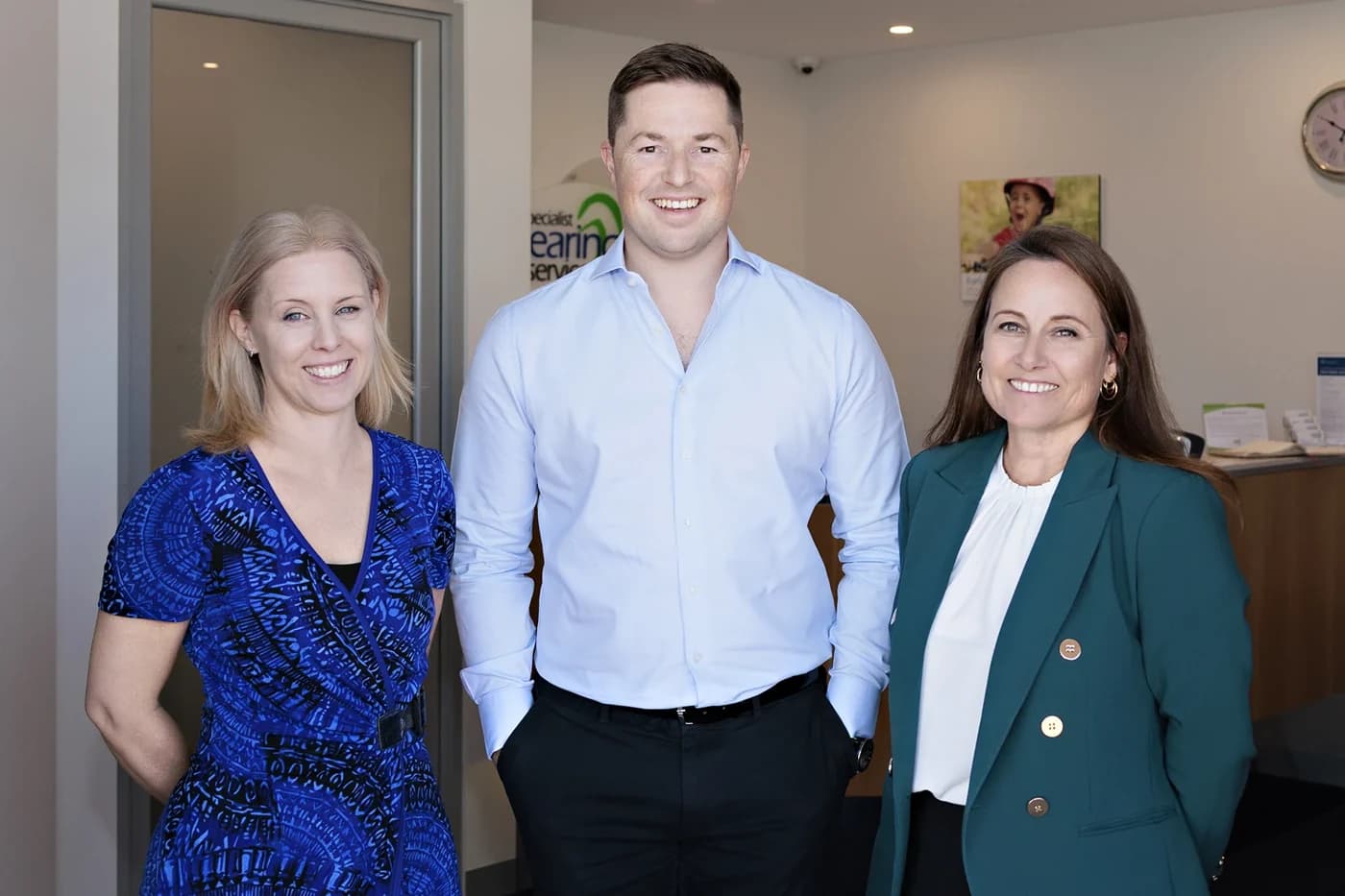
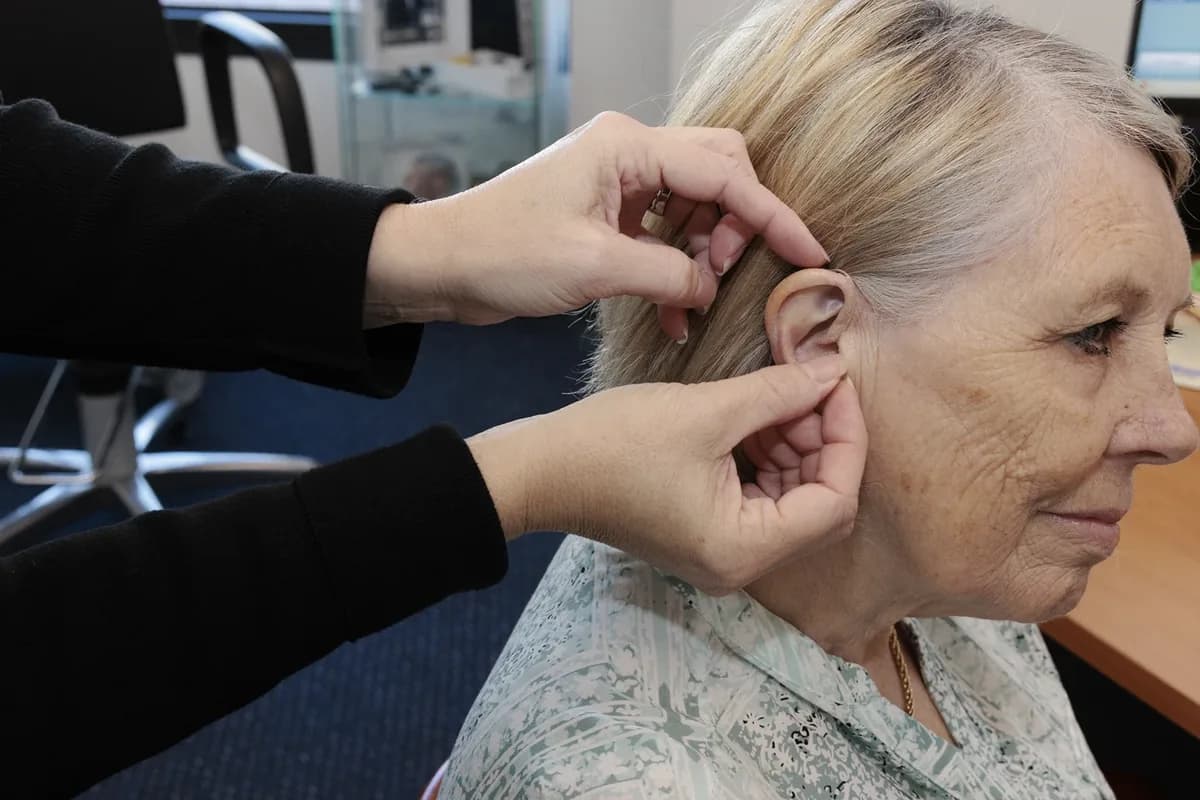
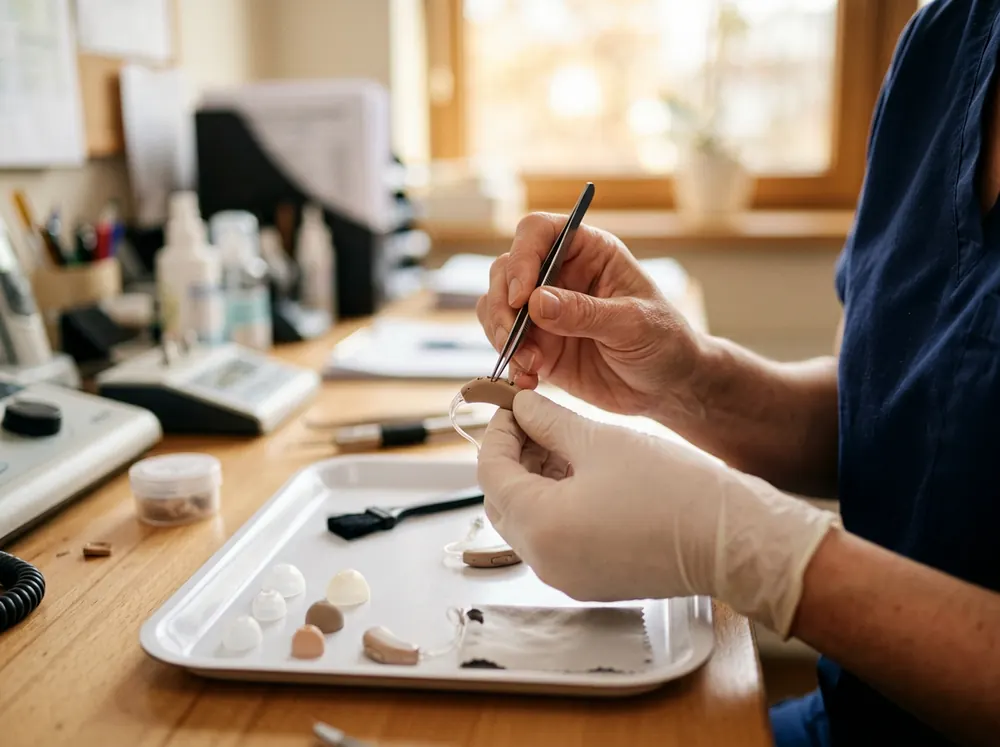
Dayle Hensman, our Senior Audiologist, fits and adjusts assistive listening devices, which is one of her clinical interests. She also fits hearing aids and Lyric, and switches on and programs cochlear implant sound processors.
Clinical Support Officer
Kelly Hall, one of our clinical support officers, has many years of hands-on experience with this technology. She can help with everyday questions about using and caring for a device.
Sound from hearing aids or another assistive listening device can form part of a tinnitus management plan. A tinnitus assessment shows whether that approach suits you.
Funding and the Hearing Services Program
For eligible clients, the Hearing Services Program covers most of the cost of an assistive listening device. Specialist Hearing Services is a contracted provider for this Australian Government program. Eligible pensioners and Department of Veterans' Affairs (DVA) clients can get assistive listening devices through it.
- Hearing Services Program
- we tell you about any fee at the time.
- NDIS
- if you are a National Disability Insurance Scheme (NDIS) participant, we prepare the paperwork for your claim. The NDIS decides what it will fund.
- Buying privately
- we explain the options and quote a price before you decide.
No, not for every device. Personal amplifiers, amplified phones and TV headphones work on their own.
TV streamers and remote microphones are usually made to send sound to hearing aids or a cochlear implant sound processor. Tell us what you wear, if anything, and the places where hearing is hardest for you.
To use a hearing loop, switch your hearing aids to the T setting wherever you see the hearing loop sign. The aid's telecoil then picks up the sound sent through the loop.
Not every hearing aid has a telecoil, and some have one that is switched off. Your audiologist can check yours.
A TV streamer or a set of TV headphones is the usual choice. A streamer sends the TV sound straight to your hearing aids, and headphones suit people without them.
Either way, you set your own listening volume without raising the TV for everyone else in the room.
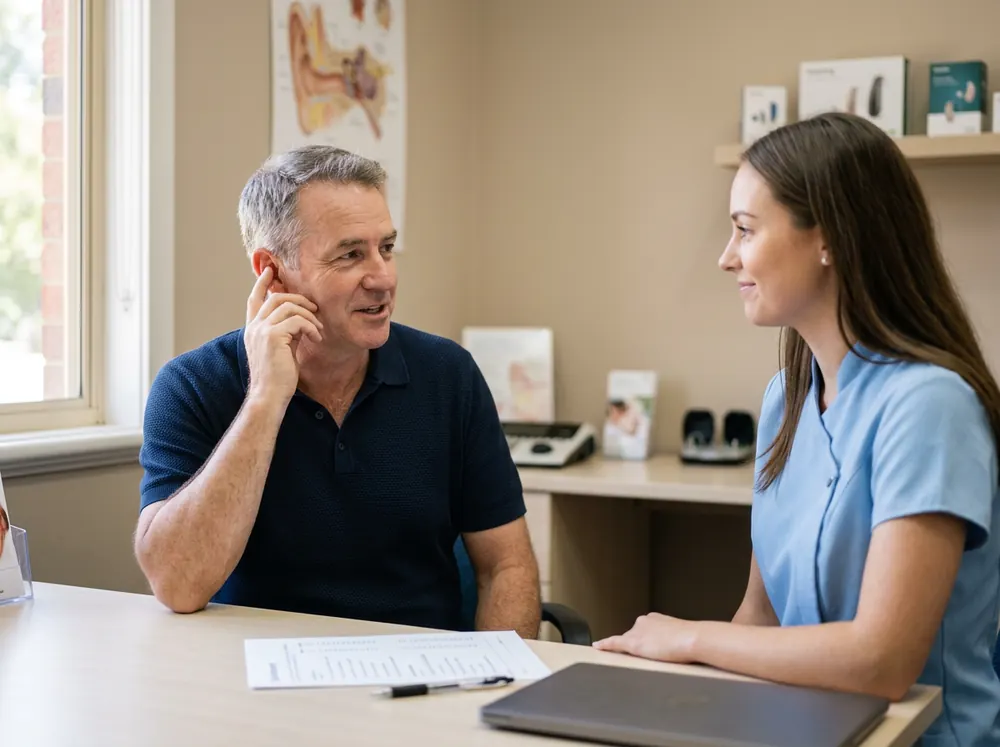
Call Specialist Hearing Services on (08) 9387 3335, send an enquiry or email admin@specialisthearing.com.au. Tell us what you need help with, such as the TV, the phone or group conversation. If you may be eligible for the Hearing Services Program, we check that at the clinic.
More from the clinic
Other services at the clinic
 369 Oxford StreetMount Hawthorn
Book
Ask about assistive listening devices in Mount Hawthorn
Call (08) 9387 3335 or send an enquiry, and tell us what you would like to hear more easily. Eligible Hearing Services Program clients can get these devices with most of the cost covered.
Opening hoursMonday to Friday 9am to 5pm, Saturday 9am to 12pm
Not sure yet? Take the online hearing check